Genre
The best French thrillers and policiers
France has a crime film tradition of its own, the policier, with its own heroes, its own style and a debt to Hollywood that it repaid many times over.
By Eleanor Hale
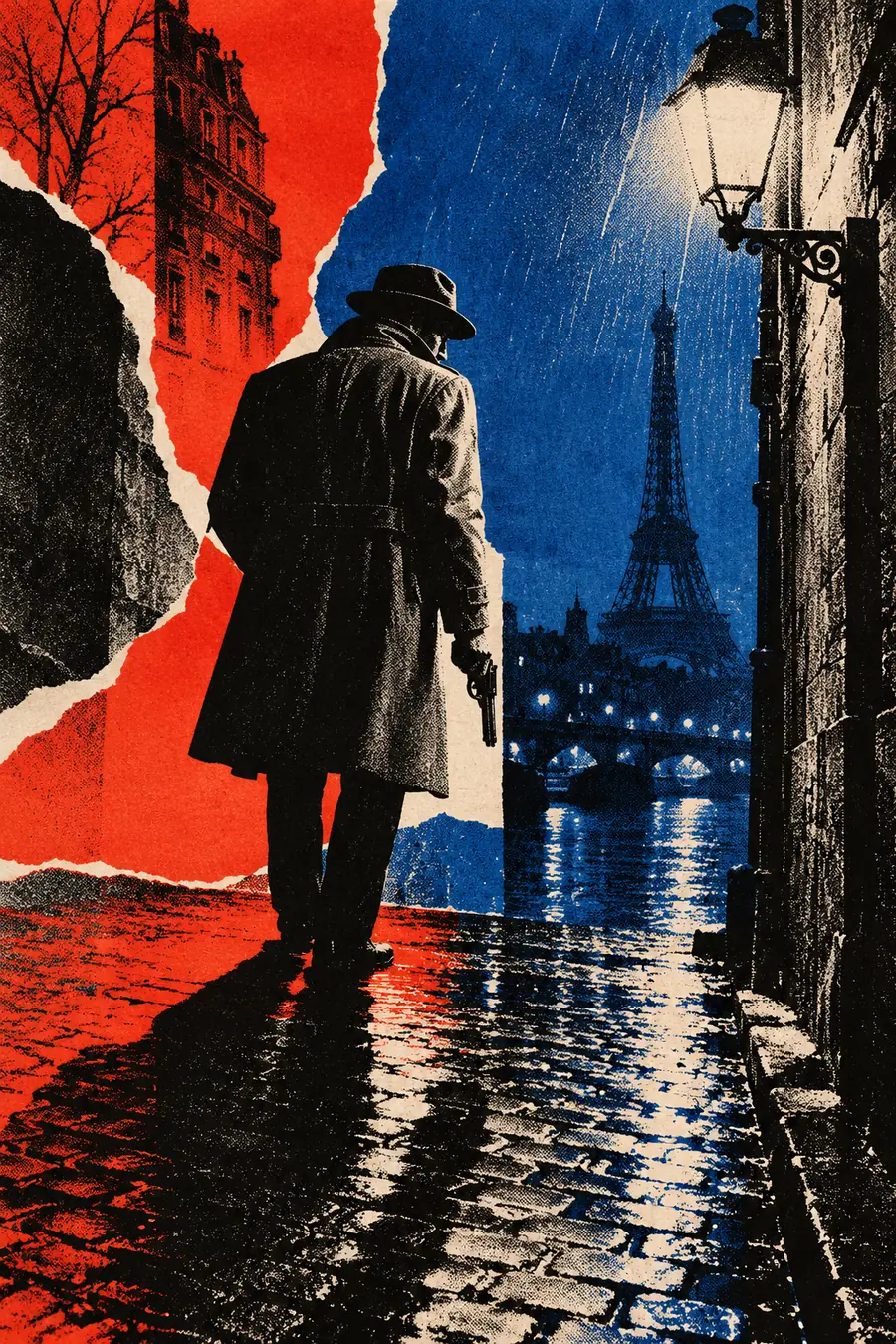
French crime cinema goes back to the serials of Louis Feuillade, whose master criminals haunted Paris before the First World War. After 1945, American thrillers and the Série noire crime novels inspired a wave of French gangster films, then the cool, stylised films of Jean-Pierre Melville, which Hollywood copied in turn. In the 1970s the policier became the most popular genre in France, often built around Alain Delon or Jean-Paul Belmondo. Here are the best, in chronological order.
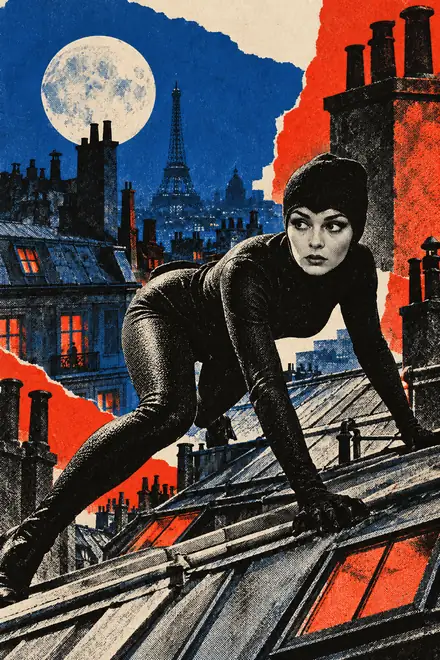 Silent crime serialLes VampiresLouis Feuillade · 1915
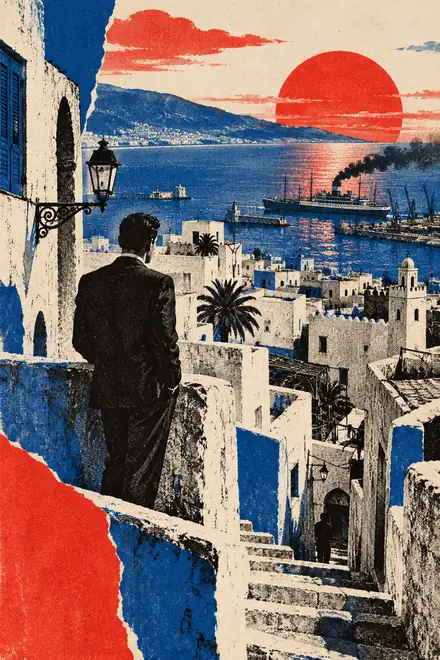 Crime dramaPépé le MokoJulien Duvivier · 1937
 ThrillerLe Salaire de la peurHenri-Georges Clouzot · 1953
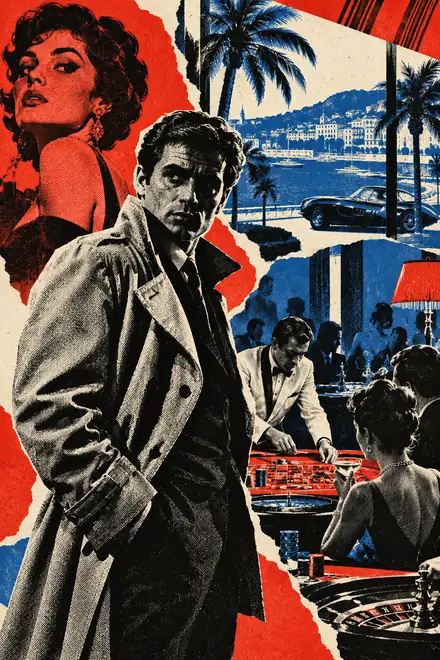 Crime thrillerCet homme est dangereuxJean Sacha · 1953
Les Vampires (Louis Feuillade, 1915)
A journalist against a gang of criminals with poisoned rings and secret passages. The serial that started it all.
Pépé le Moko (Julien Duvivier, 1937)
Jean Gabin as a gangster safe only inside the Casbah of Algiers.
Le Corbeau (Henri-Georges Clouzot, 1943)
Anonymous letters spread suspicion through a provincial town until everyone is a suspect.
Quai des Orfèvres (Henri-Georges Clouzot, 1947)
A murder in the music-hall world, investigated by Louis Jouvet's weary inspector.
Le Salaire de la peur (Henri-Georges Clouzot, 1953)
Not a crime film exactly, but the purest suspense French cinema has produced.
Cet homme est dangereux (Jean Sacha, 1953)
Eddie Constantine as Lemmy Caution, undercover among Riviera gangsters. Pulp entertainment.
Touchez pas au grisbi (Jacques Becker, 1954)
An ageing gangster, his loyal friend and stolen gold bars. The model of the realistic French gangster film.
Du rififi chez les hommes (Jules Dassin, 1955)
Four thieves rob a jeweller's in the Rue de Rivoli. The robbery, about half an hour without dialogue or music, is famous.
Les Diaboliques (Henri-Georges Clouzot, 1955)
A murder, a swimming pool and a body that disappears.
Bob le flambeur (Jean-Pierre Melville, 1956)
An ageing gambler in Montmartre plans to rob the casino at Deauville. Melville's affectionate tribute to American gangster films.
Ascenseur pour l'échafaud (Louis Malle, 1958)
The perfect murder spoiled by a lift that stops between floors.
Le Trou (Jacques Becker, 1960)
Five prisoners dig through the floor of La Santé prison.
Landru (Claude Chabrol, 1963)
The serial killer of the First World War, as black comedy.
Le Samouraï (Jean-Pierre Melville, 1967)
Alain Delon as a lonely hitman. The most imitated French thriller.
Le Cercle rouge (Jean-Pierre Melville, 1970)
A heist in the Place Vendôme, with Delon, Bourvil and Yves Montand.
Le Boucher (Claude Chabrol, 1970)
A schoolteacher, a butcher and a series of murders in the Dordogne.
Flic Story (Jacques Deray, 1975)
Delon as inspector Borniche, hunting the killer Émile Buisson through postwar France.
Garde à vue (Claude Miller, 1981)
A night of interrogation on New Year's Eve: Lino Ventura as the inspector, Michel Serrault as the suspect. Almost entirely in one room.
Un prophète (Jacques Audiard, 2009)
A young prisoner becomes a crime boss inside and outside the walls.
Where to go next
For the context of these films, see our short history of French cinema. For something lighter, see the best French comedies.