Genre
The best French comedies
French audiences love comedy more than any other genre. These are the comedies that also work for viewers watching with subtitles.
By Eleanor Hale
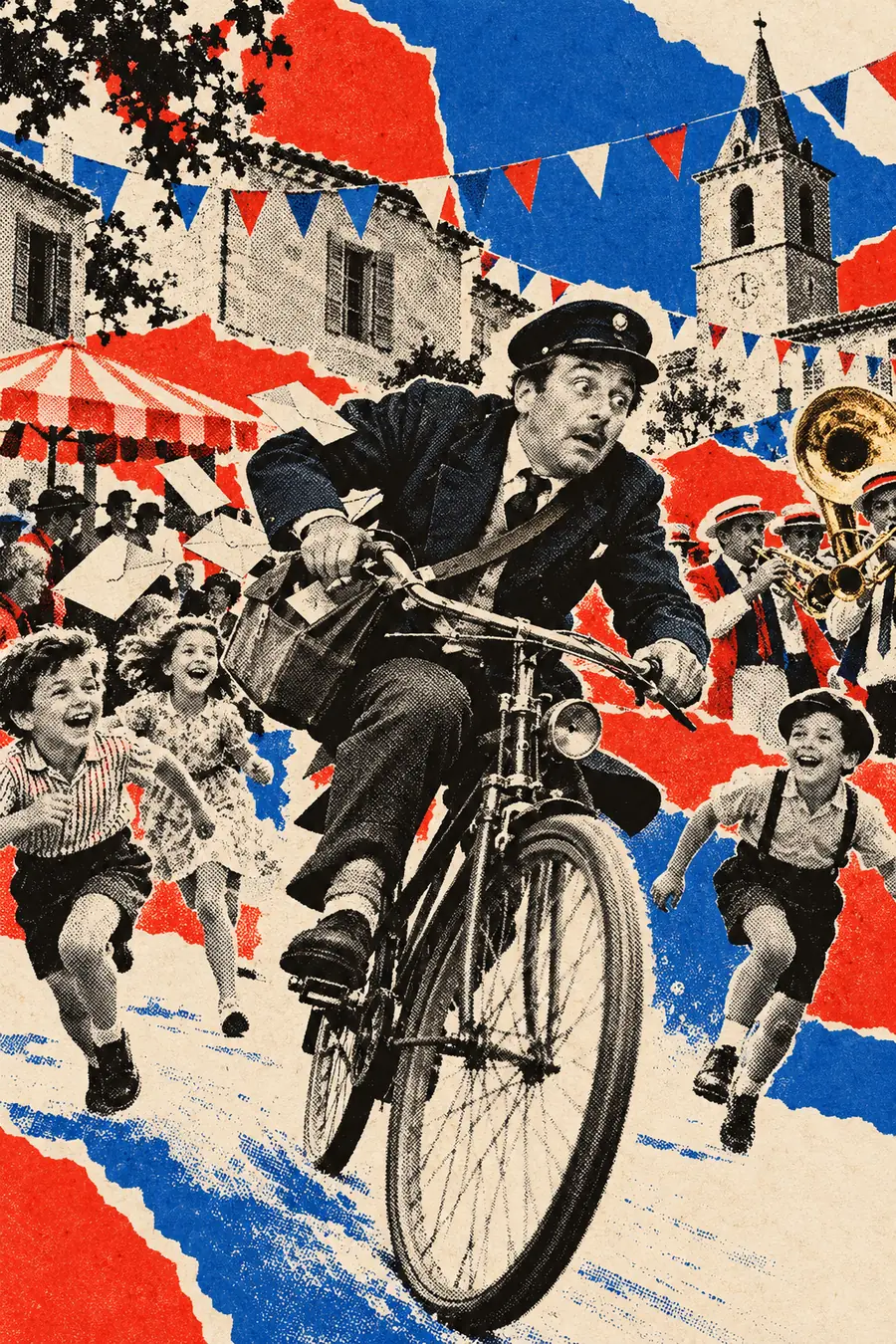
Comedy is the genre French audiences go to see most, and many of the biggest box-office hits in French history are comedies. Not all of them travel: some depend on wordplay, regional accents or television stars unknown abroad. The films below work with subtitles, either because the comedy is visual, as with Jacques Tati, or because the situation is so well built that it survives translation, as with Francis Veber. They are listed in chronological order.
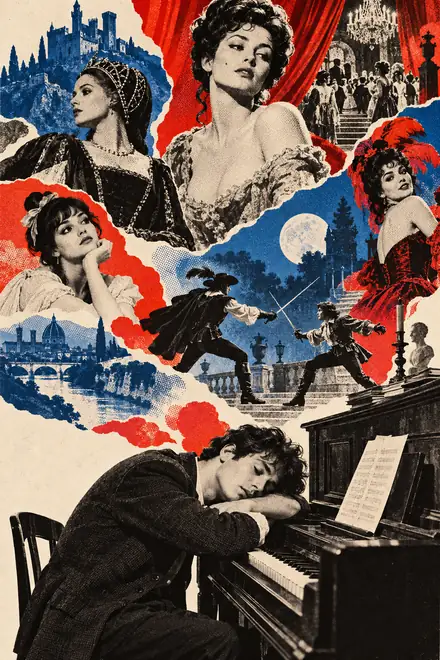 Fantasy comedyLes Belles de nuitRené Clair · 1952
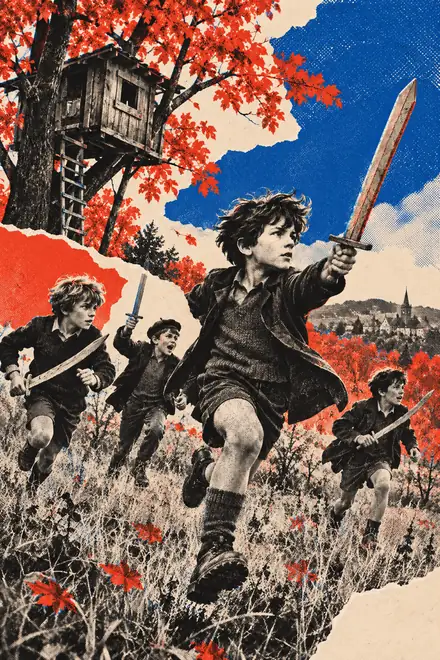 Family comedyLa Guerre des boutonsYves Robert · 1962
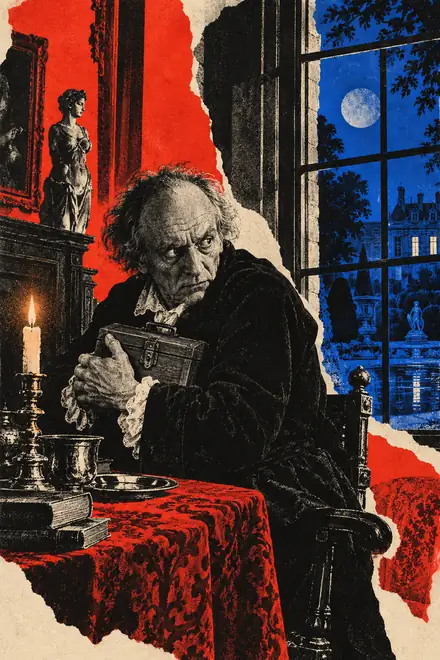 Period comedyL'AvareJean Girault, Louis de Funès · 1980
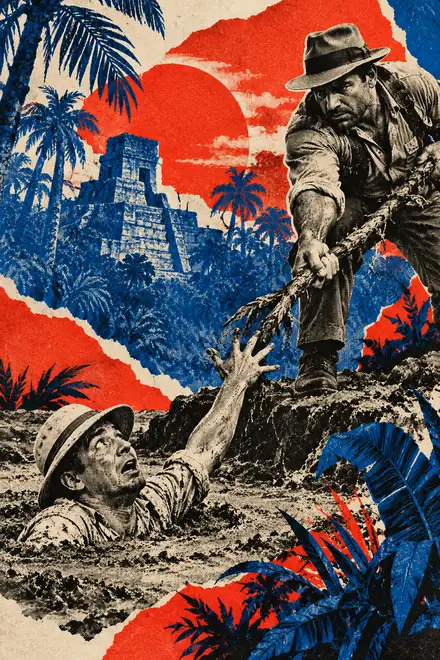 Buddy comedyLa ChèvreFrancis Veber · 1981
Un chapeau de paille d'Italie (René Clair, 1928)
A silent farce: a bridegroom must replace a straw hat eaten by his horse before his wedding day is ruined.
Boudu sauvé des eaux (Jean Renoir, 1932)
A tramp rescued from the Seine repays his bourgeois rescuer by seducing his wife and maid. Michel Simon at his wildest.
La Kermesse héroïque (Jacques Feyder, 1935)
The women of a Flemish town charm the Spanish army while the mayor pretends to be dead and the men hide.
Les Belles de nuit (René Clair, 1952)
A struggling composer escapes into dreams that keep turning into nightmares. Gérard Philipe, light and quick.
Les Vacances de Monsieur Hulot (Jacques Tati, 1953)
Monsieur Hulot spends a holiday at a seaside hotel, with almost no dialogue. Each gag is built on sound and space.
Mon oncle (Jacques Tati, 1958)
Hulot against the gadgets of his sister's modern house. The fish fountain alone is worth it.
La Guerre des boutons (Yves Robert, 1962)
Two gangs of village boys at war over buttons. A family classic.
Les Tontons flingueurs (Georges Lautner, 1963)
Ageing gangsters in a respectable villa, and a kitchen scene where they get drunk on a terrible home-made spirit. The dialogue is the star.
La Grande Vadrouille (Gérard Oury, 1966)
Louis de Funès as a conductor and Bourvil as a house painter escorting British airmen through occupied France. Slapstick and timing.
La Cage aux folles (Édouard Molinaro, 1978)
Michel Serrault and Ugo Tognazzi as a couple trying to pass for a conventional family for one evening.
L'Avare (Jean Girault and Louis de Funès, 1980)
De Funès as Molière's miser, faithful to the play and full of his own comic energy.
La Chèvre (Francis Veber, 1981)
A hopelessly unlucky accountant and a tough detective search Mexico for a kidnapped heiress. Pierre Richard and Gérard Depardieu.
Le Père Noël est une ordure (Jean-Marie Poiré, 1982)
Christmas Eve at a telephone helpline, where every visitor makes things worse.
Trois hommes et un couffin (Coline Serreau, 1985)
Three bachelors and a baby, with a parcel of drugs complicating everything.
Les Visiteurs (Jean-Marie Poiré, 1993)
A medieval knight and his servant are transported to the 1990s. Broad, noisy and very popular.
Le Dîner de cons (Francis Veber, 1998)
A publisher who mocks idiots at weekly dinners meets one who destroys his evening, his marriage and his back.
Intouchables (Olivier Nakache and Éric Toledano, 2011)
A rich quadriplegic and his carer from the suburbs. Not subtle, but very warm.
Where to go next
Many of these films appear in our 100 best French films. For darker entertainment, see the best French thrillers.