Genre
The best French war films
France fought, lost, was occupied and resisted. Its war films reflect all of that, and few of them are about battles.
By Eleanor Hale
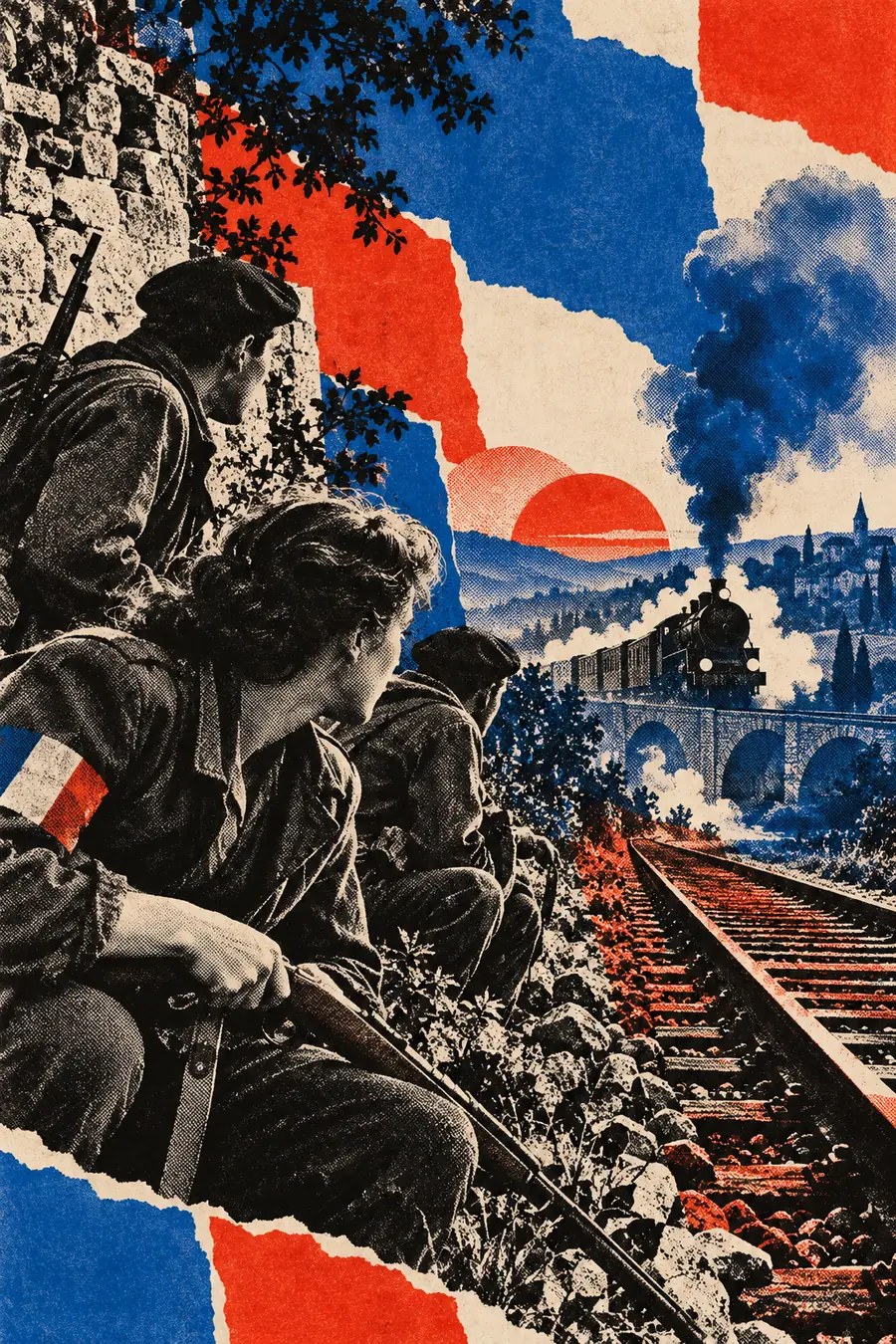
French war films are rarely about combat. France's experience of the 20th century, the slaughter of 1914-1918, the defeat of 1940, four years of occupation, the Resistance and collaboration, then the wars in Indochina and Algeria, produced films about prisoners, children, families and moral choices. Many of them took decades to be made, because the subjects were too painful. Here are the best, in chronological order of the events they show.
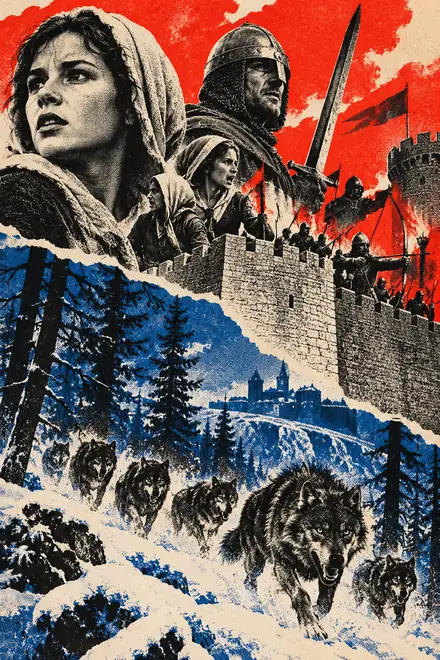 Silent historical epicLe Miracle des loupsRaymond Bernard · 1924
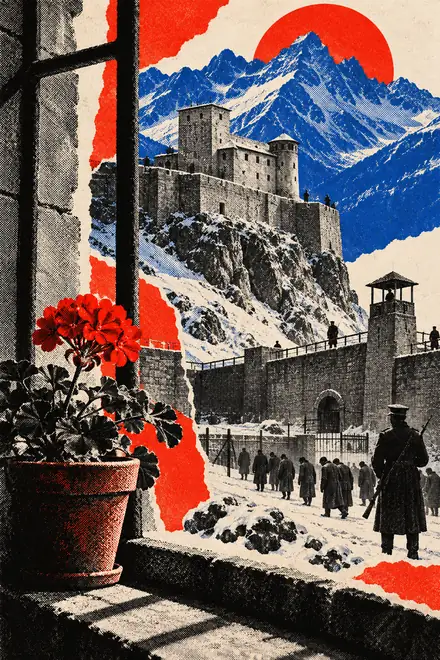 War dramaLa Grande IllusionJean Renoir · 1937
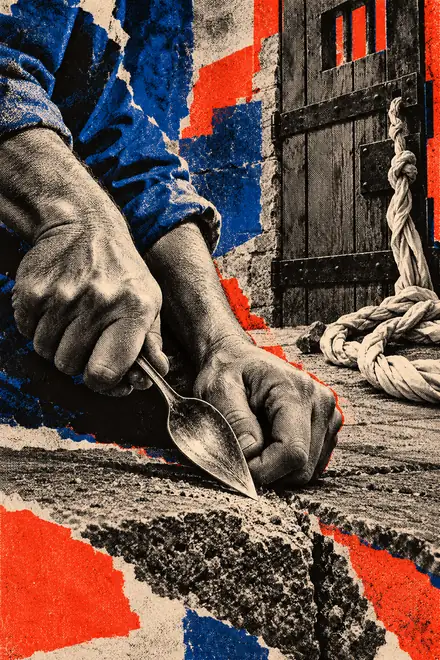 Prison dramaUn condamné à mort s'est échappéRobert Bresson · 1956
Le Miracle des loups (Raymond Bernard, 1924)
A medieval war, but made in the patriotic spirit of the years after 1918, with the siege of Beauvais as its climax.
J'accuse (Abel Gance, 1919)
Made as the First World War ended, it closes with the dead rising from the battlefield to ask whether their sacrifice was worth it.
La Grande Illusion (Jean Renoir, 1937)
French officers in German prison camps, 1914-1918. About class and humanity rather than fighting.
Un long dimanche de fiançailles (Jean-Pierre Jeunet, 2004)
A young woman searches for her fiancé, reported dead in the trenches of 1917.
Jeux interdits (René Clément, 1952)
A little girl orphaned on the roads of the 1940 exodus and the farm boy who shelters her.
La Bataille du rail (René Clément, 1946)
Railway workers sabotage German trains. Shot just after the Liberation with real railwaymen.
Un condamné à mort s'est échappé (Robert Bresson, 1956)
A Resistance fighter prepares his escape from a Gestapo prison in Lyon.
Nuit et brouillard (Alain Resnais, 1956)
A short documentary on the Nazi camps, combining archive footage with colour images of the empty sites ten years later.
L'Armée des ombres (Jean-Pierre Melville, 1969)
The Resistance seen from inside: fear, executions of traitors and no glory. Melville had been in the Resistance himself.
Lacombe Lucien (Louis Malle, 1974)
A peasant boy drifts into working for the Gestapo's French auxiliaries. A film about collaboration that refuses easy answers.
Le Vieux Fusil (Robert Enrico, 1975)
A doctor avenges his wife and daughter, killed by German soldiers in 1944.
Le Dernier Métro (François Truffaut, 1980)
Theatre life in occupied Paris, with a Jewish director hidden in the cellar.
Au revoir les enfants (Louis Malle, 1987)
A Catholic boarding school hides Jewish boys in 1944. Malle's memory of his own childhood.
Les Roseaux sauvages (André Téchiné, 1994)
Teenagers in the south-west in 1962, as the Algerian War ends and its violence reaches them.
Where to go next
For the history behind these films, see our short history of French cinema. Many also appear in the 100 best French films.