Decade
The best French films of the 1930s
Many critics consider the 1930s the first golden age of French cinema. These are the films that explain why.
By Eleanor Hale
The coming of sound could have isolated French cinema behind its language. Instead, the 1930s produced an extraordinary run of films: Jean Renoir's great works, the poetic realism of Marcel Carné and Julien Duvivier, the comedies of René Clair, Marcel Pagnol's Provence and the brief, brilliant career of Jean Vigo. Jean Gabin became the face of the decade, the working man doomed by fate. The mood darkened as the decade went on, and the last films of 1939 were released in the shadow of war.
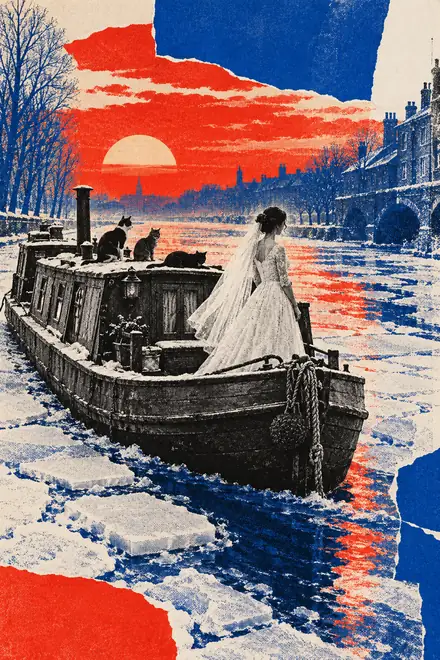 Romantic dramaL'AtalanteJean Vigo · 1934
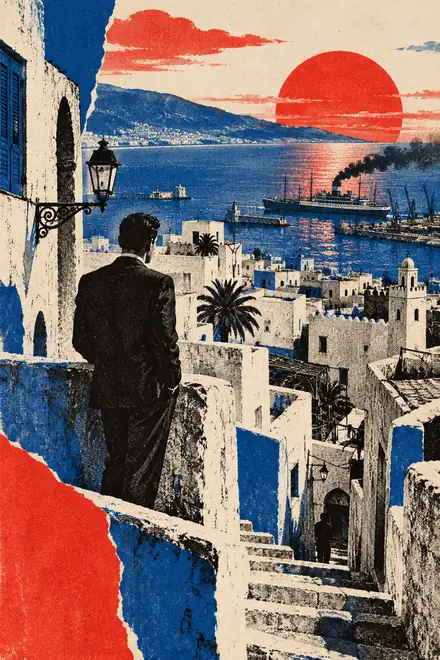 Crime dramaPépé le MokoJulien Duvivier · 1937
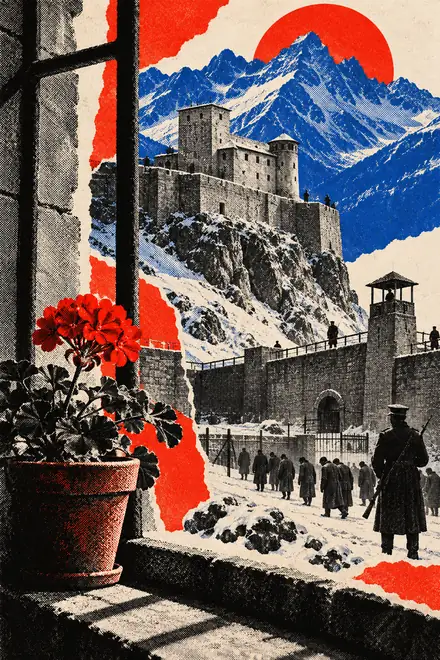 War dramaLa Grande IllusionJean Renoir · 1937
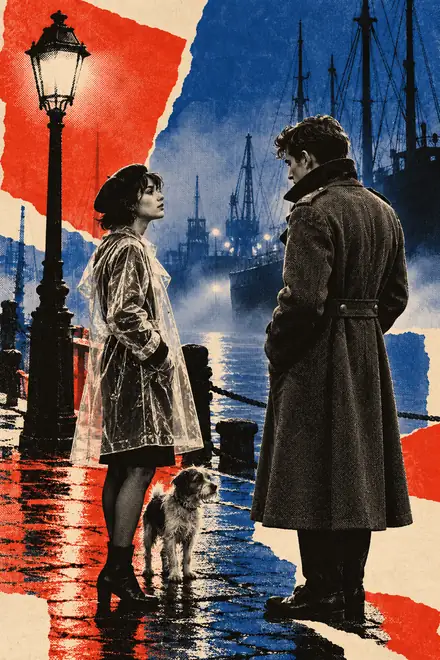 Poetic realist dramaLe Quai des brumesMarcel Carné · 1938
Sous les toits de Paris (René Clair, 1930)
One of the first great French sound films, using songs and music more than dialogue. It was a huge success abroad and set a style for musical comedy.
Boudu sauvé des eaux (Jean Renoir, 1932)
Michel Simon as a tramp saved from the Seine by a bookseller, whose household he then turns upside down. Anarchic and funny.
Zéro de conduite (Jean Vigo, 1933)
A short feature about a revolt in a boys' boarding school, banned in France until after the Second World War. Its slow-motion pillow fight is famous.
L'Atalante (Jean Vigo, 1934)
Vigo's only feature: a young couple and Michel Simon on a canal barge. Often voted one of the greatest films ever made.
La Kermesse héroïque (Jacques Feyder, 1935)
A comedy set in 17th-century Flanders, in which the women of a town charm the occupying Spanish army while their husbands hide. Lavishly designed and very witty.
Pépé le Moko (Julien Duvivier, 1937)
Gabin as a gangster hiding in the Casbah of Algiers, safe only as long as he never leaves it. Remade in Hollywood as Algiers.
La Grande Illusion (Jean Renoir, 1937)
French officers in German prison camps in the First World War. A film about class and friendship rather than battles.
Le Quai des brumes (Marcel Carné, 1938)
A deserter, a girl in a beret and the fog of Le Havre. The model of poetic realism.
La Femme du boulanger (Marcel Pagnol, 1938)
Raimu as a village baker who stops making bread when his young wife runs off with a shepherd. Pagnol's comedy is warm and sad at once. His trilogy Marius, Fanny and César is also essential.
Le Jour se lève (Marcel Carné, 1939)
Gabin barricaded in his room, surrounded by police, remembering how he came to kill a man. Told in flashbacks, it is the darkest film Carné and Prévert made together.
La Règle du jeu (Jean Renoir, 1939)
A weekend at a country château turns to tragedy. Booed in 1939, rebuilt in 1959 and now a fixture on lists of the greatest films.
Where to go next
The war and the Occupation changed everything in the next decade, as the best French films of the 1940s shows. For the silent films that came before, see the 1920s.